
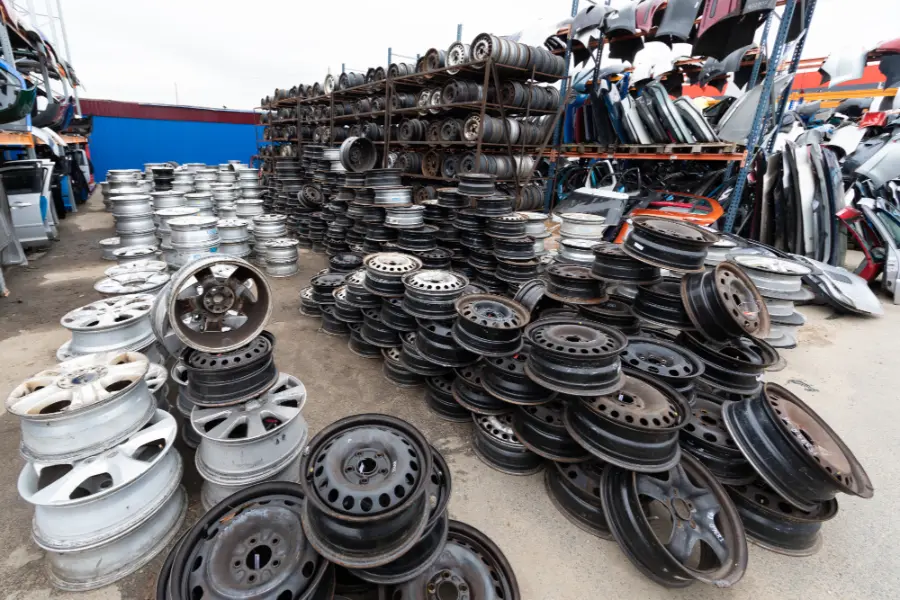
Yes, you can import used car parts from Australia, and for many overseas buyers, it works out cheaper and easier than importing a whole vehicle. The main factors that determine whether it is worth it are part availability, shipping costs, and import rules in your country.
This guide is written for two types of readers. The first is overseas buyers looking to source engines, panels, or other components from Australian-market vehicles. The second is Melbourne-based readers arranging a shipment for family, a trade contact, or a business overseas. Either way, the process below applies.
MMM Auto Centre has been wrecking and exporting used auto parts from Craigieburn, Melbourne, for over 20 years. Our team regularly ships engines, half cuts, and panels to buyers across Asia, the Pacific, the Middle East, Africa, and the Caribbean. You can read more about how we handle international orders on our global export page, or jump straight to the steps below.
Why Source Used Car Parts from Australia?
Australia has a high volume of well-maintained vehicles compared to many other used-parts markets. Most cars here are serviced regularly, registered, and driven on sealed roads, which means less rust and less wear on components like the suspension and electrical systems.
Buyers also benefit from Australia’s consumer protection culture. A reputable Australian wrecker will inspect and test parts before sale, and many, including MMM, back this up with a satisfaction guarantee rather than a “sold as seen, good luck” approach.
There is also strong model variety. Australia’s market includes large numbers of Japanese, Korean, European, and locally popular makes, which gives overseas buyers access to parts that may be harder to find through other channels.
The Right-Hand Drive Advantage
If your country drives on the left side of the road, Australian parts are right-hand drive (RHD) compatible without conversion. This matters most for parts like dashboards, steering components, and wiring looms.
| Region | Example Countries |
|---|---|
| Pacific | New Zealand, Fiji, Papua New Guinea |
| Africa | South Africa, Kenya, Tanzania, Mozambique |
| Asia | Japan, Malaysia, Singapore, Indonesia |
| Middle East | UAE (for RHD-market vehicles) |
| Caribbean | Jamaica, Trinidad and Tobago |
This list is a general guide only. Always confirm the exact vehicle specification before ordering, since some models sold in the same country can be both left-hand drive (LHD) and RHD depending on the market they were originally built for.
Importing Used Car Parts vs Importing a Whole Used Car
If you are still deciding between importing a complete used car or just the parts you need, it is worth weighing up both options before you commit.
Importing a whole used vehicle usually means dealing with compliance checks, roadworthy requirements, and registration paperwork once it lands in your country. That process can take months and add a high cost on top of the purchase price.
Importing used car parts is generally simpler. The vehicle receiving the part is already registered, so there is no compliance or registration step for the part itself, only the part’s own customs and import duty requirements. Shipping is also cheaper, since a part is smaller and lighter than a full vehicle.
In short, if your goal is to repair or restore a vehicle you already own, importing used vehicle parts is usually the faster and lower-cost route. If you are sourcing an entire car, that is a separate process with its own set of rules. Browse our current stock on the online shop to see what is available before deciding.
Is It Legal to Import Used Car Parts from Australia?
Generally yes. There is no blanket ban on exporting used auto parts from Australia, and most of the applicable rules are on the destination side, not the Australian side.
Australia’s Export Rules
One detail that often gets missed is biosecurity. Australian quarantine rules require that exported parts, especially engines, gearboxes, and anything that sits beneath the vehicle, be free of soil, plant material, and pests before they leave the country. A reputable exporter will clean and inspect parts as part of the standard process, which is one reason it pays to buy from an established wrecker rather than an unverified seller.
Your Country’s Import Rules
Every country sets its own rules for importing used parts, including duty rates and any permits required. The table below gives a general sense of what to expect, but you should always confirm current requirements with your own customs authority before placing an order.
| Destination | General Note |
|---|---|
| New Zealand | Generally straightforward for compatible RHD parts |
| UAE | Import duty typically applies, and container shipments are common |
| South Africa | Import permits may be required for some used parts |
| Pacific Islands | Often lower duty, but longer shipping times |
If you are not sure where to start, get in touch with our team. We cannot give legal advice, but we can share what has worked for buyers shipping to your region in the past.
How to Import Used Car Parts from Australia: Step by Step
Step 1: Identify the Part and Confirm Compatibility
Have your vehicle’s make, model, year, engine code, and VIN ready. The more detail you provide, the easier it is for an Australian wrecker to confirm the right part on the first try.
Step 2: Get a Quote from an Australian Wrecker or Exporter
Request a quote along with photos and a condition report before you pay anything. You can browse available stock on our auto parts page or contact us directly for parts not currently listed.
Step 3: Choose Your Shipping Method
Your options are generally sea freight, air freight, or courier, depending on the part’s size and urgency. See the comparison table further down for typical costs and timeframes.
Step 4: Arrange Payment
Most exporters accept bank transfer or PayPal for international orders. Note that in-store options like AfterPay are designed for local pickup and generally do not apply to overseas shipments.
Step 5: Handle Customs Clearance and Paperwork
You will need a commercial invoice and a packing list at a minimum, and possibly an import permit, depending on your country. Your exporter should be able to supply the documents needed on the Australian side.
Step 6: Receive and Inspect the Parts
Check the part against the condition report you were given before installation. If anything looks different from what was described, contact the exporter straight away rather than after the part has been fitted.
What Used Car Parts Can You Import from Australia?
Most components from a dismantled vehicle can be exported. Common categories include:
- Engines and transmissions (often sold as complete “half cuts”)
- Body panels: bumpers, bonnets, and doors
- Lighting: headlights and tail lights
- Suspension and steering components
- Electrical parts: alternators, ECUs, and wiring looms
- Interior trim and instrument clusters
If you are after parts for a specific make, our brand pages, such as Toyota wreckers, Ford parts, and Nissan parts, are a good starting point.
How Much Does It Cost to Import Used Car Parts from Australia?
Total cost is made up of several parts, not just the price tag on the component itself.
| Cost Component | What It Covers |
|---|---|
| Part price | Cost of the used part itself |
| Domestic freight | Getting the part from the wrecking yard to the port or freight depot |
| International shipping | Sea freight (container or LCL) or air freight |
| Destination customs duty and tax | Set by your country, this is the buyer’s responsibility |
| Customs clearance agent fee | Often optional, depending on the destination country’s process |
Example: Shipping an Engine to Fiji
A buyer purchasing a used engine for export to Fiji would typically pay for the engine itself, a share of a sea freight container, and any duty applied by Fijian customs on arrival. Consolidating the engine with other parts in the same container, something MMM regularly arranges for trade buyers, brings the per-item freight cost down significantly compared to shipping a single part alone.
Shipping Methods and Delivery Times Compared
| Method | Best For | Approx. Cost | Approx. Time |
|---|---|---|---|
| Sea freight (container) | Large or heavy parts, bulk orders | Lowest per item | 4 to 10 weeks depending on destination |
| Air freight | Urgent orders, smaller parts | Higher | 1 to 2 weeks |
| Courier or parcel post | Small parts like mirrors or sensors | Moderate | 1 to 3 weeks |
| Region | Typical Sea Freight Time |
|---|---|
| Pacific Islands | 2 to 4 weeks |
| Asia | 3 to 5 weeks |
| Middle East | 4 to 6 weeks |
| Africa | 5 to 8 weeks |
| Caribbean and Americas | 6 to 10 weeks |
These timeframes are indicative only. Always confirm current shipping times with your exporter at the time of order, as they can change due to port congestion and container availability.
How to Choose a Reliable Australian Auto Parts Exporter
Use this checklist before committing to a supplier:
- Licensed motor vehicle dealer (MMM Auto Centre holds LMCT 10510)
- Established trading history, ideally 10 years or more
- Verifiable reviews from real customers, not just star ratings on the homepage
- A clear quality guarantee on parts before they are shipped
- Willingness to send photos and a condition report before you pay
- Actual experience with international freight and export paperwork, not just domestic sales
MMM Auto Centre has been family-owned and operated in Craigieburn for over 20 years, with hundreds of reviews on Google and eBay and a 100% satisfaction guarantee on the parts we supply. Learn more about us or contact our team directly with your requirements.
Mistakes to Avoid When Importing Used Car Parts
- Ordering before checking your destination country’s import rules
- Skipping the VIN or compatibility check and assuming the part will fit
- Choosing the cheapest freight option without checking insurance or tracking
- Not requesting photos or a condition report before paying
- Assuming whole-vehicle compliance rules apply to individual parts, in most cases they do not
FAQs
Can I import used car parts to my country?
Most countries allow it, but duty rates and permit requirements vary. Check with your local customs authority before placing a large order.
Do I need a roadworthy or compliance certificate for imported parts?
No. Roadworthy and compliance requirements generally apply to whole vehicles being registered, not to individual parts being fitted to a vehicle that is already on the road.
How important is a warranty on imported used parts?
It matters more than people expect. A formal manufacturer’s warranty does not apply to used parts, so the supplier’s own quality guarantee is what protects you if something is not as described. This is one reason to buy from an established exporter rather than an unverified seller.
What is the difference between importing from Japan and importing from Australia?
Both are RHD markets with strong vehicle maintenance standards. For many buyers, Australia’s advantage is English-language paperwork and direct communication with the exporter, which can simplify the documentation side of the process.
What is a half cut, and why is it popular for export?
A half-cut is the front section of a vehicle, typically including the engine, transmission, and associated wiring, sold as a single unit. It is popular for export because it keeps related components together and is often more cost-effective than buying the same parts separately.
Can I buy through eBay instead of contacting the exporter directly?
Yes. MMM Auto Centre lists parts on our eBay store as well as our own site, so you can choose whichever channel suits you.
What payment methods are accepted for international orders?
Bank transfer and PayPal are the most common. In-store payment options such as AfterPay are intended for local pickup and do not apply to overseas shipments.
Get a Quote to Import Used Car Parts from MMM Auto Centre
MMM Auto Centre has spent over 20 years wrecking and exporting quality used auto parts from Melbourne, with a track record of shipping to buyers across Asia, the Pacific, the Middle East, Africa, and the Caribbean.
If you are ready to start, contact our export team for a quote.
